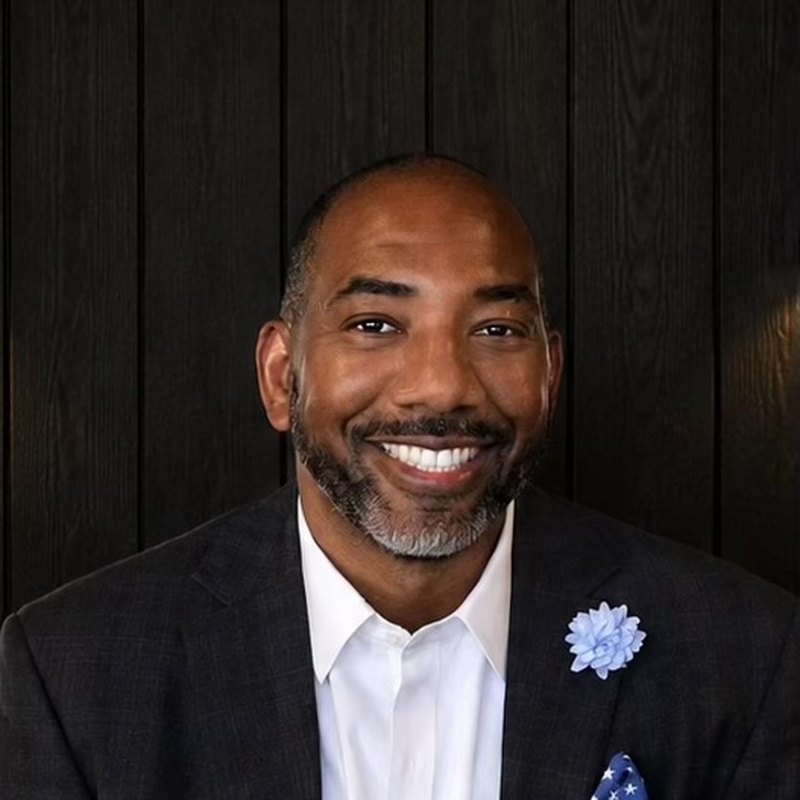
I didn't come to patient flow through a boardroom. I came to it through hallways: the loading docks, linen chutes, transport queues, and equipment rooms where a hospital's day is actually won or lost. I've been leading teams since 1996, and in healthcare support services since 2004. Those years taught me something the org chart never admits: the departments labeled "ancillary" are the circulatory system of the building. When they flow, everything flows. When they stall, the most sophisticated clinical operation on earth grinds to a halt waiting for a bed to move.
That observation became a career. As founder and president of Impact Training Company and a senior director at Ruck-Shockey Associates, I've spent decades consulting on patient flow and support services operations, and building the credential pathway for the healthcare transport profession in partnership with NAHTM. The current pathway includes the online HPT foundational certificate, hospital-based CHT Levels 1-3, and CHTI instructor training, with the Certified Patient Transport Management Professional (CPTMP) management credential in development with NAHTM. Earning CHT requires training and validation through an active facility CHTI; purchasing materials does not award the credential.
leading teams and operations since; in healthcare support services since 2004
minutes: average room turnover cut, no added labor
self-op conversion portfolios directed, 99% client retention
professionals certified through the credential pathway
Level 1 instructors trained nationwide
organizations running the programs
Father first
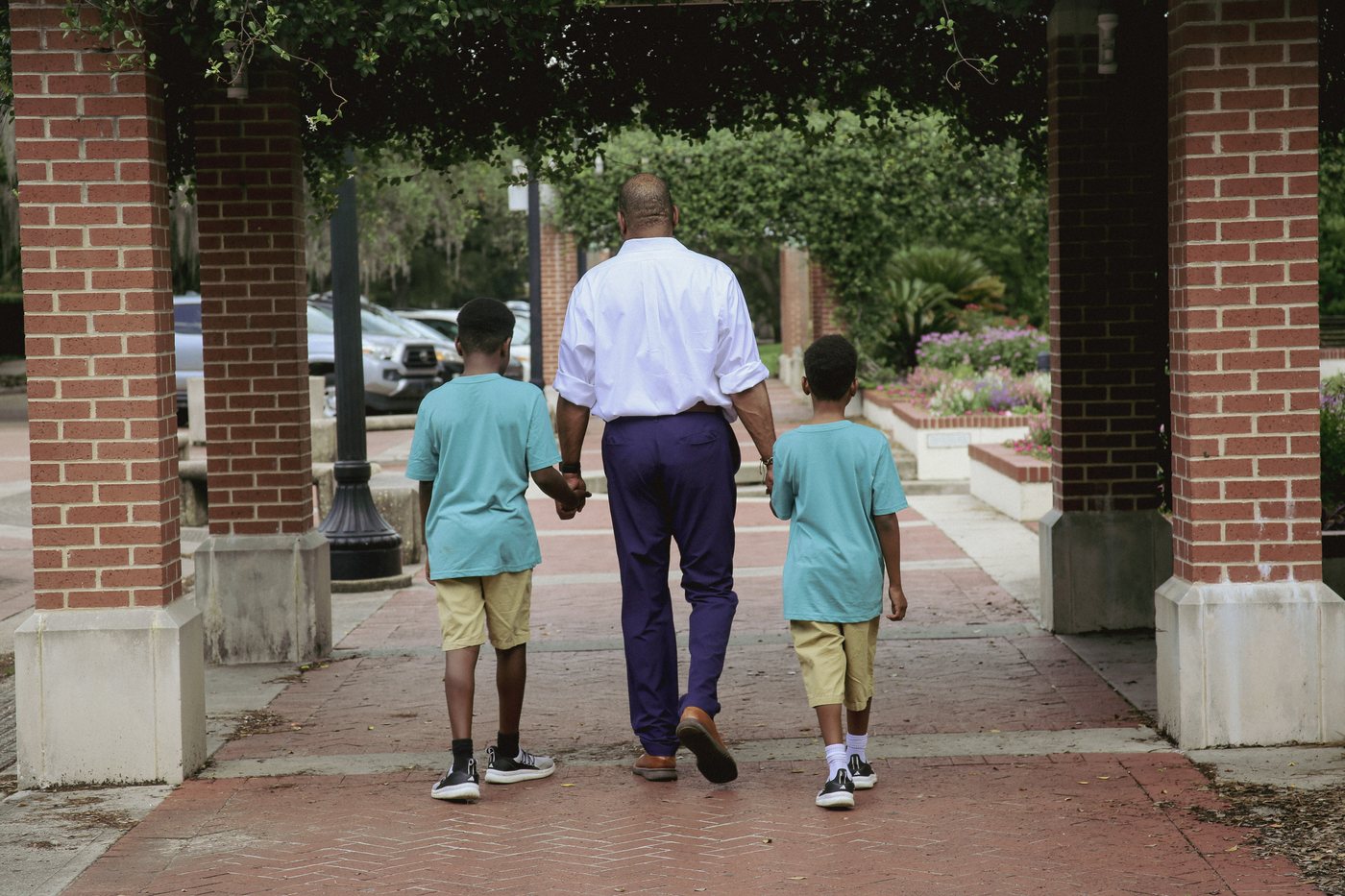
Before the frameworks, before the credentials, before any of it: I'm a father. It's the title I hold above all the letters after my name, and it's not on this page as decoration. It's on this page because it's where everything else gets tested. The work argues that people don't rise to lectures; they rise to standards, patience, and someone who believes their potential is real. Family is where I learn whether I actually live that, every single day.
It shapes the work in practical ways, too. The Choices curriculum at the heart of CHT-2, built on self-esteem, trustworthiness, emotional maturity, and conscientiousness, is the same material I want my own children to carry. When transporters tell us that tier changed their lives off the job as much as on it, that's the whole philosophy in one sentence: develop the person, and the professional follows. "From potential to performance" isn't just the company tagline. It's how I try to show up at home.
Why systems thinking
Hospitals treat gridlock like weather, something that happens to them. But flow follows rules. Queues, bottlenecks, feedback loops, and cascading delays behave predictably, which means they can be diagnosed and engineered. I call that body of work Flow Physics: the conviction that a hospital's movement problems have causes you can find, name, and fix. When Beds Don't Move is the argument in full; the workbook makes it operational.
Why training that changes behavior
Most workforce training teaches the what: tasks and procedures. It fails because it stops there. The programs I build teach the what, the why (the ethics and interpersonal foundations that make someone own their work), and the how (the thinking skills that separate outstanding performers). That three-tier philosophy runs through everything from the CHT curriculum to the consulting practice.
"There's a phrase I use that I always connect with Donald: if I'm not pushing you, I'm cheating you."
Joe Ward
Director of Environmental Services